In This Article
If you're an Amazon brand owner, you've probably heard of the Transparency programme. You may also be unsure what it actually involves, whether you need it, and what it costs to take part.
Transparency is Amazon's answer to counterfeiting. Brands authenticate their products with unique codes, and every unit gets one before it ships. In theory it's brilliant: fewer fakes, fewer customer complaints, stronger brand protection. In practice it's a significant operational and financial commitment, and plenty of sellers enrol without fully understanding what they're signing up for.
This guide covers what the programme is, how it works, what it costs, and how to decide whether it's right for your brand.
What Is Amazon Transparency?
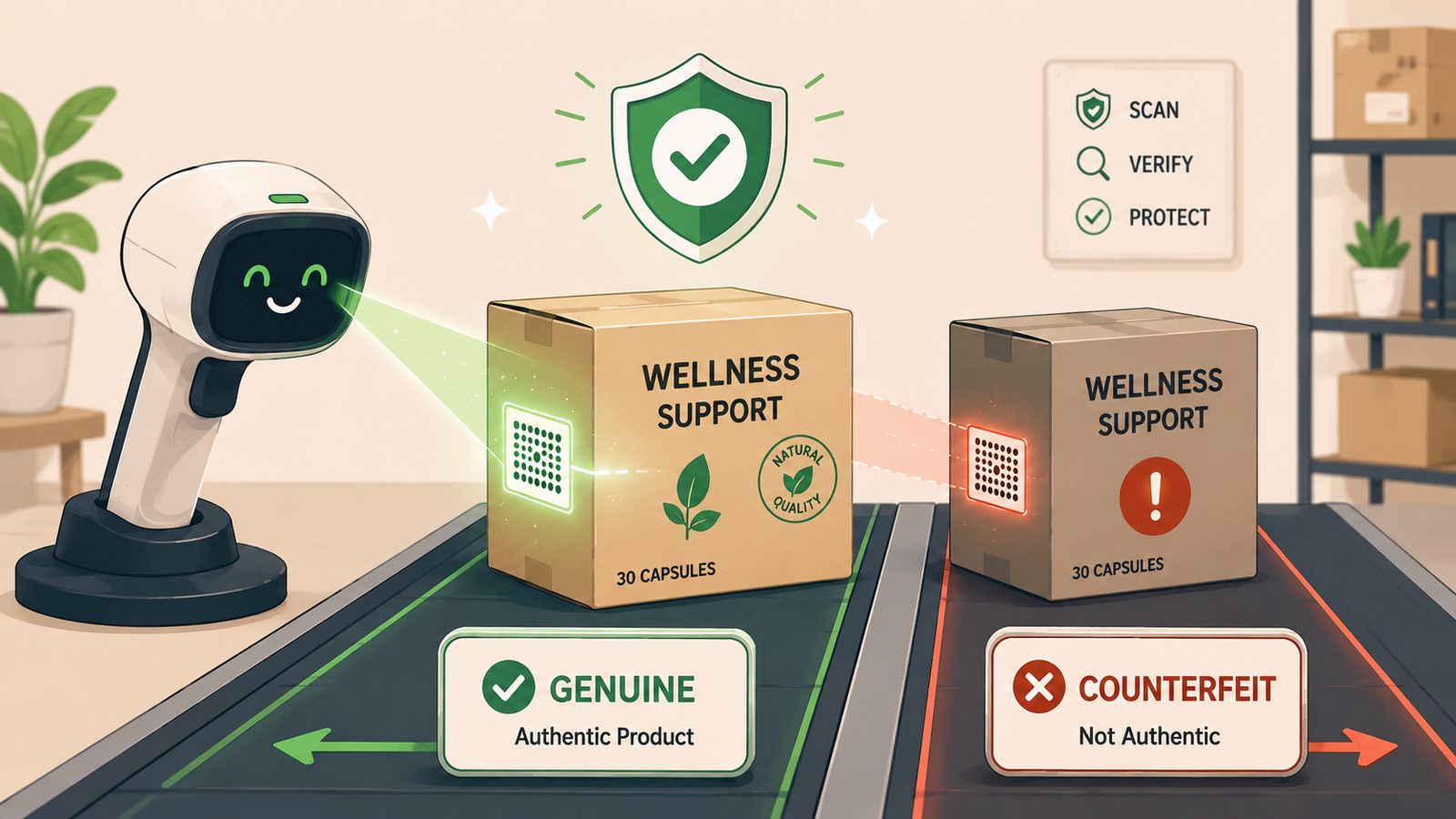
Amazon Transparency is an anti-counterfeiting programme built around unique product codes. As a brand owner, you apply to Amazon and provide proof of brand ownership. Once approved, Amazon supplies you with unique codes or labels, usually holograms or QR codes, and you apply one to every unit of every enrolled product before it reaches Amazon's fulfilment centres.
When a customer buys your product, the code sits visibly on the packaging. They can verify authenticity by scanning it or checking it on Amazon's Transparency verification page, confirming they've bought the genuine article.
From Amazon's side, this creates a chain of custody. Every unit your brand sells should carry a valid code. Anything without one is either counterfeit, diverted inventory or grey market stock, and it stands out immediately.
Why Amazon Built It
Counterfeiting costs Amazon money, damages its relationships with brands, erodes customer trust and creates liability problems. The company needed a way to tackle the problem at scale, and Transparency does exactly that. By asking brand owners to authenticate their own stock, Amazon shifts some of the responsibility and cost onto brands, whilst creating a verification system that's genuinely difficult for counterfeiters to replicate at scale.
The result is fewer fake products on the platform and a better customer experience. For Amazon, it's a clear win. For brand owners, the picture is more mixed. You get stronger protection against fakes, but you also inherit real operational complexity and cost.
What It Actually Costs
Transparency isn't free, and the programme fees are only part of the bill.
The enrolment fee comes first: around £195 per brand per year in the UK, though this varies by region. That's a flat annual charge just to participate.
The bigger expense is the codes themselves. Depending on your supplier, code type and volume, you're typically looking at between 0.5p and 5p per unit. For a brand shifting 10,000 units a month, that's anywhere from £50 to £500 a month in code costs alone, and it never stops while you're enrolled.
Then there's implementation. Applying codes to every unit means process changes. You might need new labelling equipment, revised packaging, or changes to how your fulfilment provider handles your stock. If you work with several suppliers or a complex supply chain, coordinating code application across all of them adds administrative overhead that never quite goes away.
Finally, compliance monitoring falls on you. If codes go missing, arrive damaged or get applied incorrectly, you're the one facing the consequences. For a small brand on low volume, all of this might be manageable. For a larger brand, scale softens the per-unit cost, but the total investment is still substantial.
What You Get in Return
The benefits are real, which is why plenty of established brands enrol despite the cost.
Counterfeiting becomes much harder. A fake product without a valid code is easily flagged, and you have legitimate grounds to report any listing selling un-coded inventory as inauthentic. Amazon is also more likely to investigate and remove counterfeit listings when valid Transparency codes are missing, so your genuine listings get better protection without you having to chase every case yourself.
Customers benefit too. Being able to verify they've bought the real thing reduces returns, complaints and negative reviews tied to authenticity concerns. And if you currently spend hours each month reporting counterfeit listings, dealing with appeals and managing enforcement, Transparency takes over much of that work.
There's a data angle as well. Amazon provides information about your Transparency codes, so you can see which codes are being scanned, which products are moving fastest, and where diverted or grey market inventory might be surfacing. Participation also signals to Amazon that you take brand integrity seriously, which does your account standing no harm if you ever face a compliance issue.
The Operational Side
This is where Transparency gets real, because the changes to your day-to-day operations are not trivial.
Every unit needs a visible, scannable code. That might mean redesigning your packaging to accommodate code placement, upgrading labelling equipment if you apply codes in-house, training your team on correct application, and building quality checks into the process so mistakes get caught before stock ships.
If you manufacture through multiple suppliers, each one has to acquire and apply codes correctly and consistently. A supplier getting it wrong creates compliance headaches for you, not them. If you use Amazon FBA, your fulfilment provider needs to treat Transparency codes as part of your product specification, because inventory arriving with damaged or missing codes will face holds.
Inventory management gets more involved too. Coded and uncoded units need tracking separately, and accidentally sending uncoded stock triggers non-compliance flags. Sell across multiple Amazon regions and you may need different codes for different marketplaces, which multiplies the burden again.
And the standard is 100%. Amazon audits, and if un-coded units turn up, your listings can be suspended and your brand can face enforcement action.
Is It Worth Enrolling?
The honest answer: it depends on your situation.
Transparency makes sense if counterfeiting is genuinely hurting you. You're losing sales or market share to fakes, customers are complaining about authenticity, or your team spends real hours fighting counterfeit listings. It also helps if you sell in enough volume that the per-unit code cost becomes negligible, and if your margins and operational infrastructure can absorb the changes.
It's far less attractive if you're a small brand with little counterfeiting to speak of, your margins are tight, your supply chain is fragmented, or you lack the operational resources to implement and monitor it properly. In a niche category where counterfeiters aren't paying attention, the burden can easily outweigh the benefit.
The key question is the size of your actual counterfeiting problem, not the theoretical one. If fakes aren't a significant threat to your business, that money and effort is probably better invested elsewhere.
Before You Decide
Check three things first. Search your own listings and brand name for suspicious sellers and prices that don't add up. Read your recent negative reviews and returns for words like "fake", "not genuine" or "different from the photos". And add up the hours your team already spends reporting counterfeit listings each month.
If all three come back quiet, park the decision and revisit it in six months. If any of them looks bad, Transparency deserves a proper evaluation, costed against your real volumes and margins.
Where to Get Help
Much of the supporting work around Transparency can be systematised. Platforms like Power Automate (part of Microsoft 365), Make and Zapier can track code inventory, log compliance checks and flag exceptions before they become enforcement problems. Prep centres and fulfilment providers will often handle the physical labelling for a per-unit fee, and Amazon's Brand Registry support covers enrolment questions directly.
If you'd rather have someone assess whether Transparency stacks up for your brand, then plan and manage the operational changes it demands, that's what Fulcrum Three does as part of a managed operations service.
Find out whether Transparency stacks up for your brand.
Book a Free Operations Audit →